New Online coin identification

Coin Identifier: What Coin Is This?

Upload one clear coin photo to see a likely match, country or region, denomination, visible details, possible matches, and a practical next step. Results are a visual starting point, not a professional appraisal. The coin identifier helps collectors and curious owners organize research before consulting a reference.

  • One coin photo at a time
  • JPG, PNG, and WEBP
  • Identification guidance, not valuation

Coin Identifier Online

Identify a Coin from a Photo

Start with a clear, glare-free close-up. Drag and drop a photo, browse your device, or take a photo on a supported mobile browser. It works best when the date, lettering, denomination, and rim are visible.

Ready to analyze

Drag & drop your coin photo here

or click this area to choose an image

A clear, glare-free photo gives the coin identifier more visible details to compare.

Submit one photo when you are ready. To show the other side, submit a second photo afterward.

Supports JPG, PNG, and WEBP · Max 10MB

Illustrative Coin Examples

See how Coin Identifier explains visual matches

These real coin photos demonstrate the result layout and the kinds of details a photo may reveal. They are illustrative examples, not automated results or price claims.

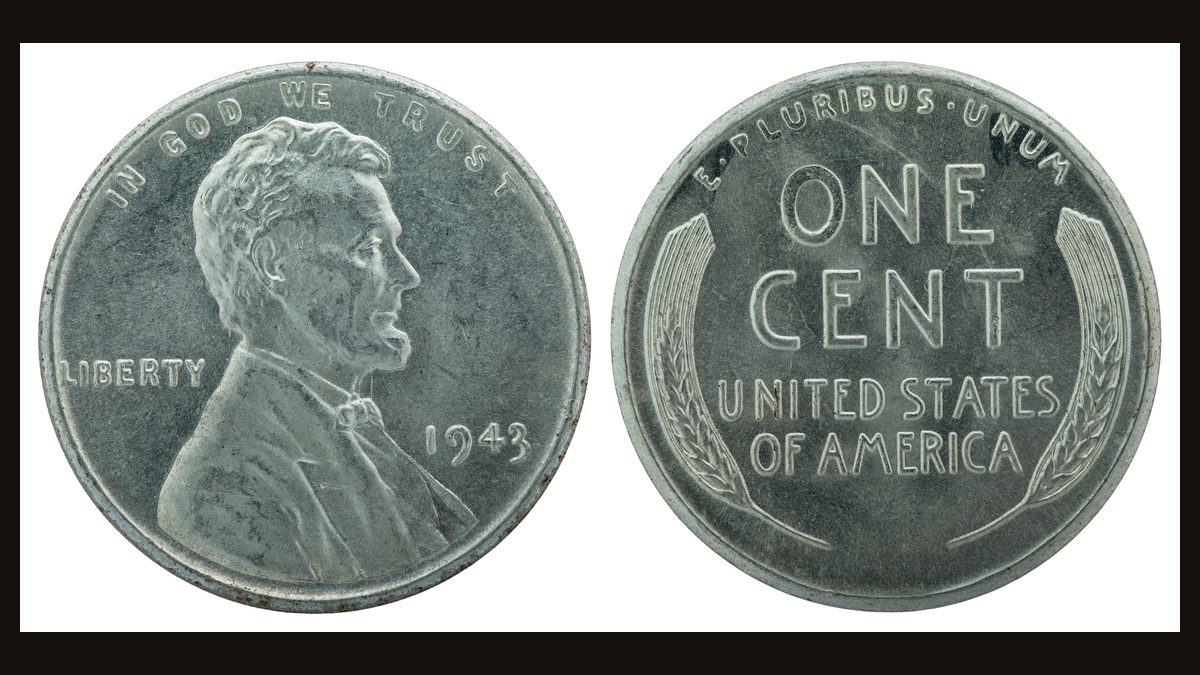
Illustrative photo of both sides of a 1943 Lincoln Wheat Cent Illustrative Example

Likely Match

1943 Lincoln Wheat Cent

Coin Type
United States one-cent coin

Visible Details

  • Lincoln portrait and wheat-ear reverse
  • 1943 date is visible
  • ONE CENT lettering and rim details
Possible Matches1944 Lincoln Wheat Cent · Other 1943 cent varieties

What to Check Next: Check the mint mark, weight, edge, and both sides against a trusted reference.

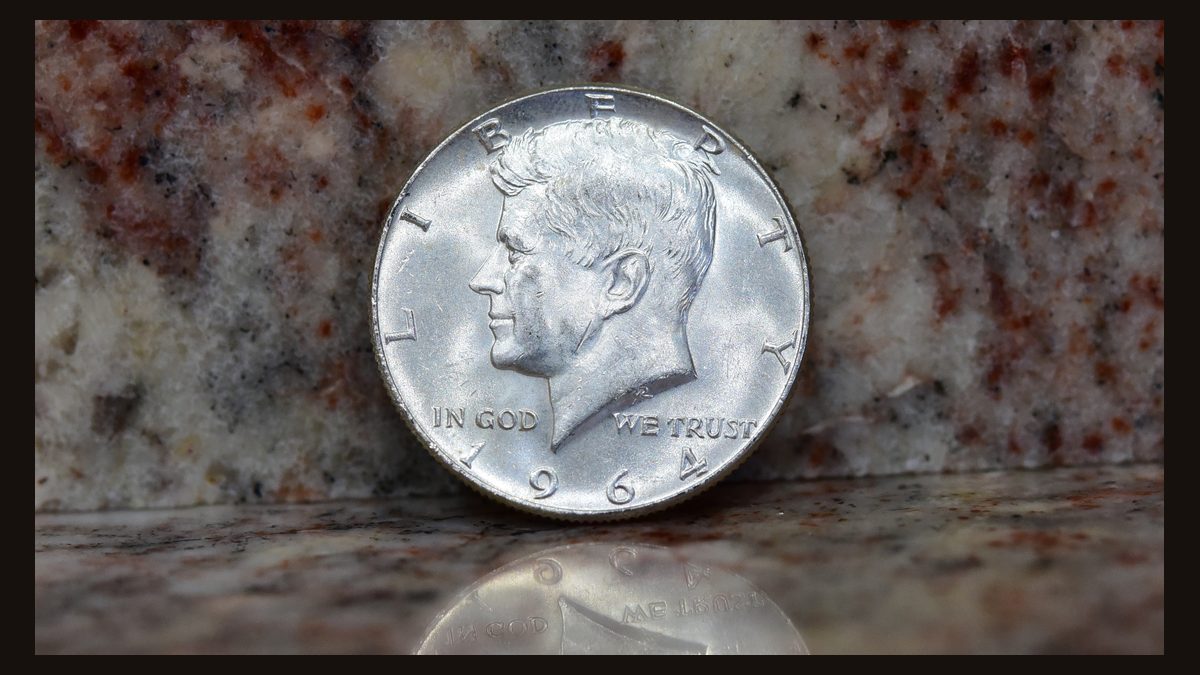
Illustrative photo of a 1964 Kennedy half dollar Illustrative Example

Likely Match

1964 Kennedy Half Dollar

Coin Type
United States half dollar

Visible Details

  • Kennedy portrait and UNITED STATES lettering
  • 1964 date is visible near the lower rim
  • Round edge and reflective surface appearance
Possible Matches1965 Kennedy Half Dollar · Other 1964 half dollar varieties

What to Check Next: Photograph the reverse and edge, then confirm the mint mark and composition with a reference.

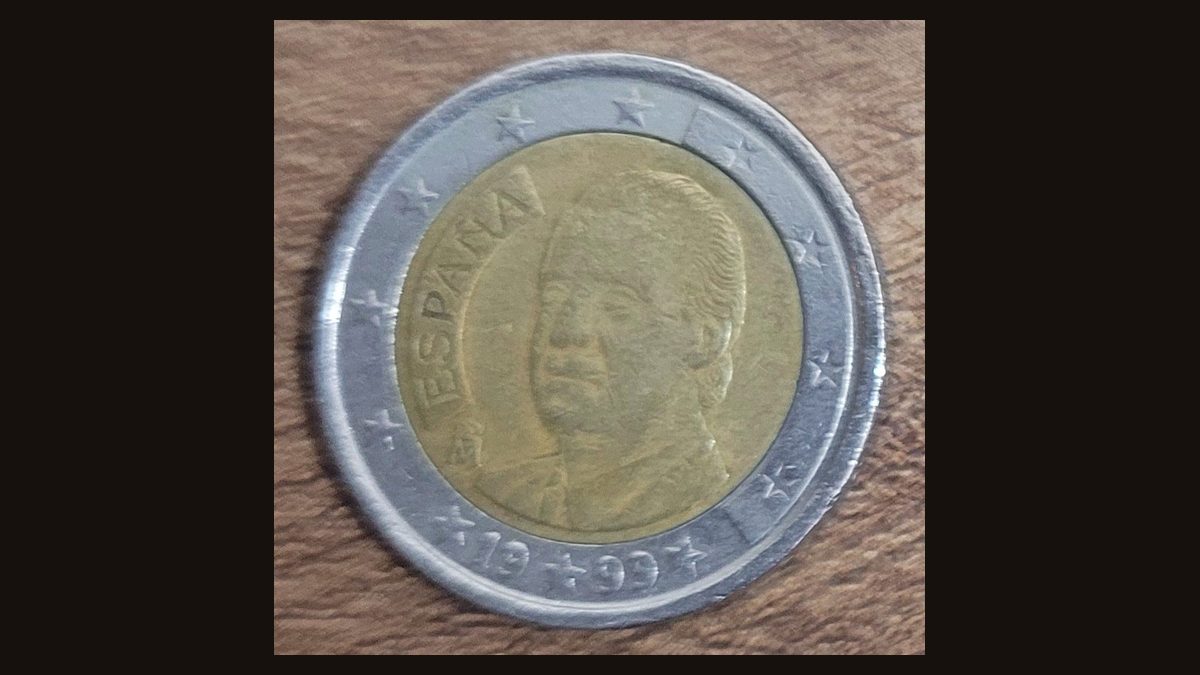
Illustrative photo of a Spanish two euro coin Illustrative Example

Likely Match

Spanish 2 Euro Coin

Coin Type
Euro circulation coin

Visible Details

  • Bimetallic ring-and-center construction
  • European lettering and a portrait design
  • Large denomination numeral on the outer ring
Possible MatchesOther 2 euro national designs · Similar bimetallic coins

What to Check Next: Show the reverse and read the small date, mint, and national design details.

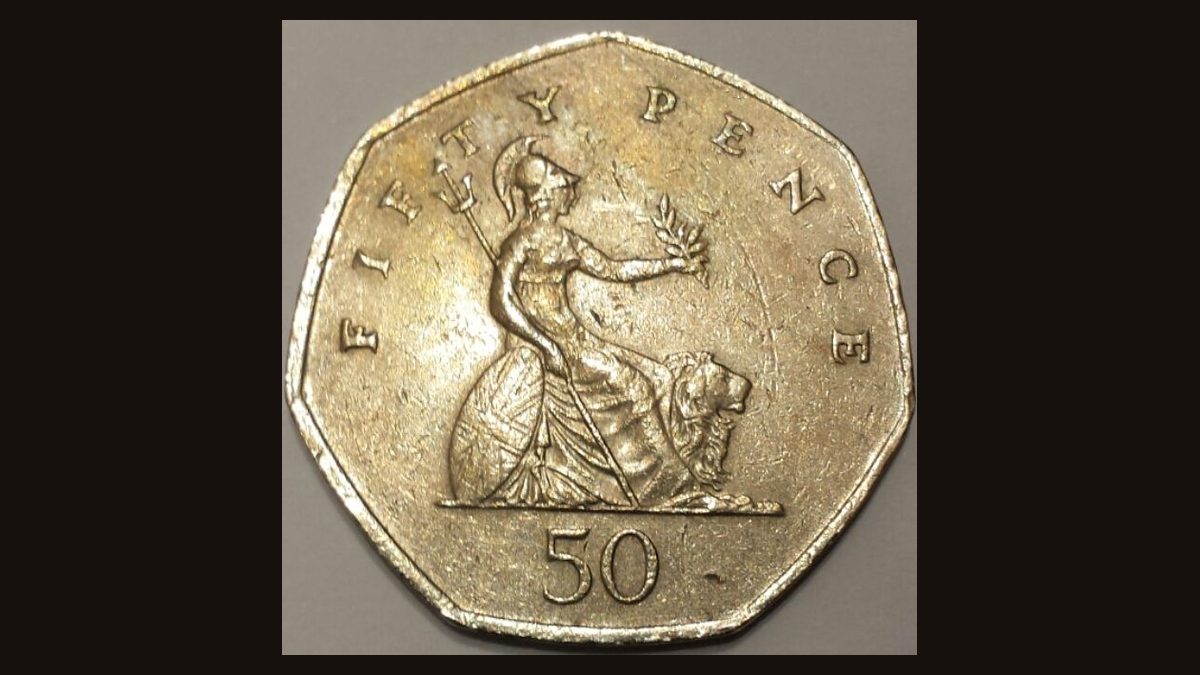
Illustrative photo of a British fifty pence coin Illustrative Example

Likely Match

British 50p Coin

Coin Type
United Kingdom fifty pence

Visible Details

  • Distinctive seven-sided outline
  • 50 denomination is visible
  • Seated Britannia design and lettering
Possible MatchesOther British 50p commemoratives · Similar seven-sided tokens

What to Check Next: Capture the reverse, date, and edge so a commemorative design can be checked.

Photos and result text are illustrative examples. A photo-based result cannot confirm grade, authenticity, rarity, error status, metal content, or market value.

Coin Identifier Tools

Old Coins, Foreign Coins, and More

Use the same photo workflow for worn, foreign, circulated, or unfamiliar coins. Start with the clearest visible lettering, date, denomination, portrait, symbol, or edge detail. These paths cover common questions without promising an exact variety or market price.

How to Use the Coin Identifier

Identify a coin in three simple steps

The online coin identifier keeps the first attempt focused: choose a photo, submit it, and read the likely match with its visible context and limitations. Clear, single-coin photos provide more useful evidence than crowded or cropped images.

  1. 01

    Choose a coin photo

    Drag and drop an image, use Browse Files, or take a photo on a supported mobile browser. JPG, PNG, and WEBP images up to 10MB are accepted. Keep the whole coin in frame and avoid several coins competing for attention.

  2. 02

    Submit the image

    Select Identify This Coin. The button stays disabled until a valid image is selected, and the loading state prevents duplicate submissions. You can submit the other side afterward for more context.

  3. 03

    Review the likely match

    Read the likely name, coin type, visible details, possible matches, and the suggested next check. Compare the date, mint mark, edge, weight, and both sides with a trusted reference before deciding.

Better Coin Photos

How to take a better coin identification photo

A photo-based coin identifier can only compare what the camera captures. These simple changes make the date, design, lettering, and edge easier to inspect. Better lighting gives the tool and your reference checks more useful evidence.

Avoid glare

Tilt the coin or soften the light so reflections do not hide the date, portrait, lettering, or mint mark.

Show the date

Make the year, denomination, mint mark, and key lettering as sharp and readable as possible.

Fill the frame

Let the coin occupy most of the image while keeping the complete rim and edge visible.

Use even light

Use balanced light and a calm background so surface wear, color, and design elements are easier to separate.

What the Coin Identifier Looks For

Visible details help narrow the coin match

Coin identification is not based on one symbol alone. The tool considers several visible signals together, then reports uncertainty when a photo does not provide enough evidence. A strong coin identifier result explains why a match is plausible and what detail could distinguish it.

Country and denomination

Lettering, language, symbols, portraits, flags, and denomination numerals can suggest a country or monetary system.

Date and mint mark

A readable year or mint mark can separate otherwise similar designs and gives you a strong next reference point.

Portrait and design elements

Portraits, buildings, animals, coats of arms, commemorative scenes, and inscriptions can narrow possible matches.

Edge, wear, and visible metal appearance

Edge shape, reeding, circulation wear, color, and bimetallic construction may add context, but they do not prove composition or authenticity.

A photo cannot reliably determine authenticity, exact grade, weight, metal content, rarity, error status, or current market value. Use a qualified numismatist, grading service, dealer, or trusted reference when those answers matter. This is intentional: the coin identifier guides research instead of presenting an uncertain guess as certified.

Coin Identifier FAQ

Questions about online coin identification

Answers about photo recognition, old and foreign coins, value limits, privacy, and professional verification from one image.

What is a coin identifier?

A coin identifier compares visible details in a photo, such as country or region, denomination, date, lettering, portrait, symbols, edge shape, and surface appearance, then suggests a likely coin match. It is a research starting point, not professional authentication, grading, or valuation.

Can I identify a coin from a photo?

Yes. Upload one clear coin photo to Coin Identifier and select Identify This Coin. The result can show a likely match, coin type, visible details, possible matches, and a suggestion for what to check next.

What coin is this?

Coin Identifier can help narrow down a coin from a clear photo. Use the likely match as a starting point, then compare the date, denomination, mint mark, edge, and both sides with a trusted reference.

Can Coin Identifier identify old or foreign coins?

It can try to identify old or foreign coins when the photo shows useful details such as lettering, denomination, design, date, or edge shape. Worn, cropped, or unfamiliar coins may still require a clearer image or a specialist reference.

Can it tell me how much a coin is worth?

No. A photo-based identification is not a market valuation. Value depends on authenticity, grade, rarity, mint errors, demand, provenance, and current sales, so use the result to decide which trusted pricing or grading source to check next.

Is this online coin identifier free to use?

The tool is free to open, choose a photo, and preview the workflow. An active paid plan or credit pack is required for a submitted coin identification.

What photo gives the best coin identification result?

Avoid glare, keep the coin in focus, show the date and denomination, fill most of the frame without cropping the edge, and use even light. When possible, submit a clear view of the other side in a separate attempt.

Do I need to install an app?

No. Coin Identifier is designed for a modern web browser. Open the site, upload a JPG, PNG, or WEBP photo, and submit it when you are ready.

Can it confirm a rare coin, error coin, or authentic coin?

No. A photo cannot reliably certify rarity, an error variety, authenticity, exact grade, metal content, or current market value. Use the result as a visual lead and consult a qualified numismatist, grading service, dealer, or trusted reference when certainty matters.

Are my coin photos stored or shared?

The selected image stays in the browser until you submit it. When submitted, it is sent to the identification service for processing. Review the Privacy Policy for current details about temporary processing, service providers, retention, and your choices.


Ready to look closer?

Ready to identify your coin?

Upload a clear coin photo and use the result as your next research step. If the image is not enough, Coin Identifier explains what to check next. Start with one coin and keep details readable.

Sign in to Coin Identifier

Access your identification usage, account, and billing history.

Your coin photo is sent for identification only after you submit it.